No More Rotten or Black Bananas After a Few Days: This Method Keeps Them Fresh for Up to 2 Years
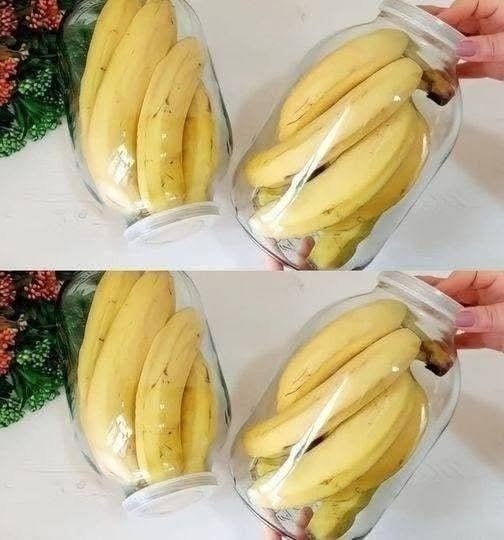
Bananas are one of the most popular fruits in the world, loved for their natural sweetness, versatility, and convenience. Yet anyone who buys them regularly knows the frustration of watching a perfectly yellow bunch turn brown, mushy, and overripe within just a few days.
Many households end up throwing away bananas every week, creating unnecessary food waste and wasting money. While freezing is a common solution, there is another preservation technique that allows bananas to be stored for an incredibly long time while developing a unique sweet-and-savory flavor profile.
This traditional preservation method transforms fresh bananas into a shelf-stable pantry item that can last for months—or even years—when properly prepared and stored.
Why Bananas Spoil So Quickly
Bananas naturally produce ethylene gas, a plant hormone responsible for ripening. Once bananas begin releasing larger amounts of ethylene, the ripening process accelerates rapidly.
Warm temperatures, humidity, and storage near other fruits can speed up this process even further.
As the fruit ripens, enzymes break down starches into sugars. While this makes bananas sweeter, it also causes the flesh to soften and eventually spoil.
For many people, the window between perfectly ripe and overly ripe seems surprisingly short.
That is why preservation methods have been developed in various cultures to extend the usability of this popular fruit.
A Different Approach to Banana Preservation
Unlike freezing or dehydrating, this method creates a pickled and preserved banana product that combines sweet, spicy, tangy, and aromatic flavors.
The bananas remain shelf-stable because they are packed in a carefully prepared brine and heat-processed in sealed jars.
The result is not a fresh banana replacement but rather a unique preserved food that can be enjoyed as a snack, side dish, or conversation-starting addition to charcuterie boards and savory meals.
What You’ll Need
Firm ripe bananas
Baking soda
Glass jars (approximately 700 ml)
Bay leaves
Garlic cloves
Fresh chili pepper slices
Coriander seeds
Dill seeds
Mixed peppercorns
Allspice berries
Sugar
Salt
70% vinegar essence
Hot water
Step 1: Clean the Bananas Thoroughly
Select bananas that are ripe but still firm.
Using a soft toothbrush, gently scrub the peel with a small amount of baking soda.
This helps remove dirt and residue from the surface.
Rinse thoroughly under running water.
Dry each banana completely using clean paper towels.
The next page covers the preparation process that transforms ordinary bananas into a long-lasting preserved specialty.
Step 2: Prepare the Bananas
see continuation on next page
Step 2: Prepare the Bananas
Trim both ends of each banana.
Leave the peel intact.
Cut the bananas into thick slices approximately the width of two fingers.
Keeping the pieces fairly large helps them maintain their structure during processing.
Step 3: Prepare the Jars
Wash and sterilize the glass jars thoroughly before use.
Into each jar add:
1 bay leaf
2 garlic cloves
2 slices chili pepper
1 teaspoon coriander seeds
1 teaspoon dill seeds
A small mixture of black, white, green, and pink peppercorns
A few allspice berries
Arrange approximately a dozen banana pieces inside each jar.
Add a few extra chili slices on top if desired.
Step 4: Add the Brine Ingredients
To each jar add:
1 teaspoon sugar
1½ teaspoons salt
1 teaspoon 70% vinegar essence
Carefully pour hot water into the jar until completely filled.
Leave only a small amount of headspace beneath the lid.
Ensure the banana pieces remain submerged beneath the liquid.
Why the Spices Matter
The spices do more than add flavor.
They create layers of complexity that complement the sweetness of the bananas.
The garlic contributes depth.
The chili provides gentle heat.
The coriander and dill seeds offer aromatic notes.
The peppercorns and allspice bring warmth and complexity.
Together they transform ordinary bananas into something completely different from the fruit you normally eat fresh.
Continue to the final page to learn the sterilization process, storage guidelines, and serving suggestions.
Step 5: Sterilize the Filled Jars
Line the bottom of a large pot with a kitchen towel.
This prevents direct contact between the jars and the pot, reducing the risk of breakage.
Place the filled jars into the pot.
Add hot water until it reaches approximately halfway up the sides of the jars.
Loosely position the lids on top.
Bring the water to a gentle simmer and sterilize for 10 minutes.
Step 6: Seal and Store
Carefully remove the jars from the water bath.
Dry the outside thoroughly.
Tighten the lids completely while the jars are still hot.
Allow them to cool undisturbed.
Store the sealed jars in a cool, dark location such as a pantry, cellar, or cupboard away from direct sunlight.
How Long Will They Last?
When prepared properly, sealed correctly, and stored under suitable conditions, preserved bananas can remain usable for many months and potentially up to two years.
Always inspect jars before consumption.
If a lid becomes unsealed, the contents develop unusual odors, or signs of spoilage appear, discard the jar immediately.
How to Enjoy Preserved Bananas
see continuation on next page
How to Enjoy Preserved Bananas
Serve alongside grilled meats.
Add to charcuterie boards.
Pair with cheeses.
Include in savory salads.
Enjoy directly from the jar as a sweet-and-spicy snack.
The flavor is entirely different from fresh bananas, offering a fascinating balance of sweetness, acidity, spice, and aromatic complexity.
Final Thoughts
Most people think of bananas as a fruit that must be eaten within days. This preservation method challenges that idea by transforming them into a long-lasting pantry item with a completely new character.
Whether you’re looking to reduce food waste, experiment with unusual preservation techniques, or simply try something new, these preserved bananas offer a creative way to extend the life of one of the world’s most beloved fruits.
Once you discover how versatile preserved bananas can be, you may never look at an overripe bunch the same way again.
