Humidity is also important during propagation. Because the cutting does not yet have a developed root system, it can lose water through its leaves faster than it can replace it. A clear plastic cover or humidity dome can help maintain moisture around the leaves.
However, avoid completely sealing the cutting without ventilation. Excessive humidity combined with stagnant air can encourage fungal problems. Check the cutting regularly and provide some ventilation when necessary.
Keep the propagation medium consistently moist. Do not allow it to become completely dry, but avoid constantly soaking it. Good drainage is essential because standing water can cause the developing cutting to rot before roots have a chance to form.
After several weeks, gently check whether the cutting has begun developing roots. Avoid pulling aggressively because young roots can be extremely delicate. New leaf growth can also be an encouraging indication that the cutting is establishing itself.
Once a strong root system has developed, gradually acclimate the young hydrangea to outdoor conditions if it was propagated indoors or under protection. Increase its exposure to outdoor conditions gradually rather than immediately placing a tender cutting into intense heat, wind, or direct sunlight.
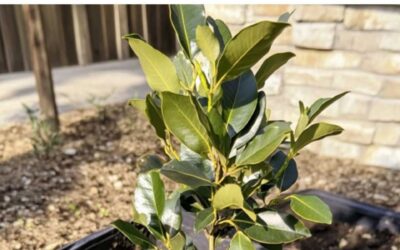
When the young plant becomes established, transplant it into a larger container or an appropriate location in the garden. Choose a site with suitable light for the particular hydrangea variety and soil that drains well while retaining adequate moisture.
Water newly transplanted hydrangeas regularly while they establish their root systems. Newly propagated plants are more vulnerable to drying out than mature shrubs, so consistent care during the first growing season is especially important.
Adding organic matter to the soil can also support healthy garden growth. Compost or well-decomposed organic material can improve soil structure and help create a more favorable environment for developing roots.
Be careful with fertilizer immediately after propagation. A newly rooted cutting does not need heavy feeding. Once the plant is established and actively growing, a suitable balanced fertilizer can be considered according to the needs of the plant and the recommendations on the product label.
One of the biggest advantages of propagating hydrangeas is that you can create multiple plants from a single established shrub. Instead of purchasing several mature plants for landscaping or garden design, a gardener can gradually build a collection from cuttings.
You can also experiment with different hydrangea varieties, although not every cutting will root successfully. Taking several cuttings increases the chance that at least some will develop strong roots.
Temperature and timing can vary considerably depending on your climate. In areas with very hot August weather, it may be better to protect the cuttings from excessive heat and direct sunlight. In cooler climates, propagation conditions may be more favorable outdoors.
Patience is one of the most important parts of plant propagation. A cutting may look unchanged for a while even though roots are developing underneath the soil. Avoid disturbing it repeatedly just to check for roots.
With proper moisture, humidity, light, and care, a small hydrangea cutting can eventually become an established shrub capable of producing the colorful flower clusters that make hydrangeas so popular in home gardens.
So before throwing away those healthy hydrangea stems after pruning, consider saving a few and giving propagation a try. A handful of cuttings, a suitable propagation mix, and several weeks of careful attention could give you new plants for your garden without the cost of buying mature shrubs.
For Complete Cooking STEPS Please Head On Over To Next Page Or Open button (>)

My mother in law makes this every spring and the pan is always empty. You only need 3 ingredients to make it.
Biscuits and Gravy with Sausage and Egg Breakfast Casserole
Christmas Cactus Care Calendar: The Routine for On-Time Blooms
Useful to know

How To Put A Delicious Spin On Grilled Cheese – 10 Mouthwatering Twists on a Classic