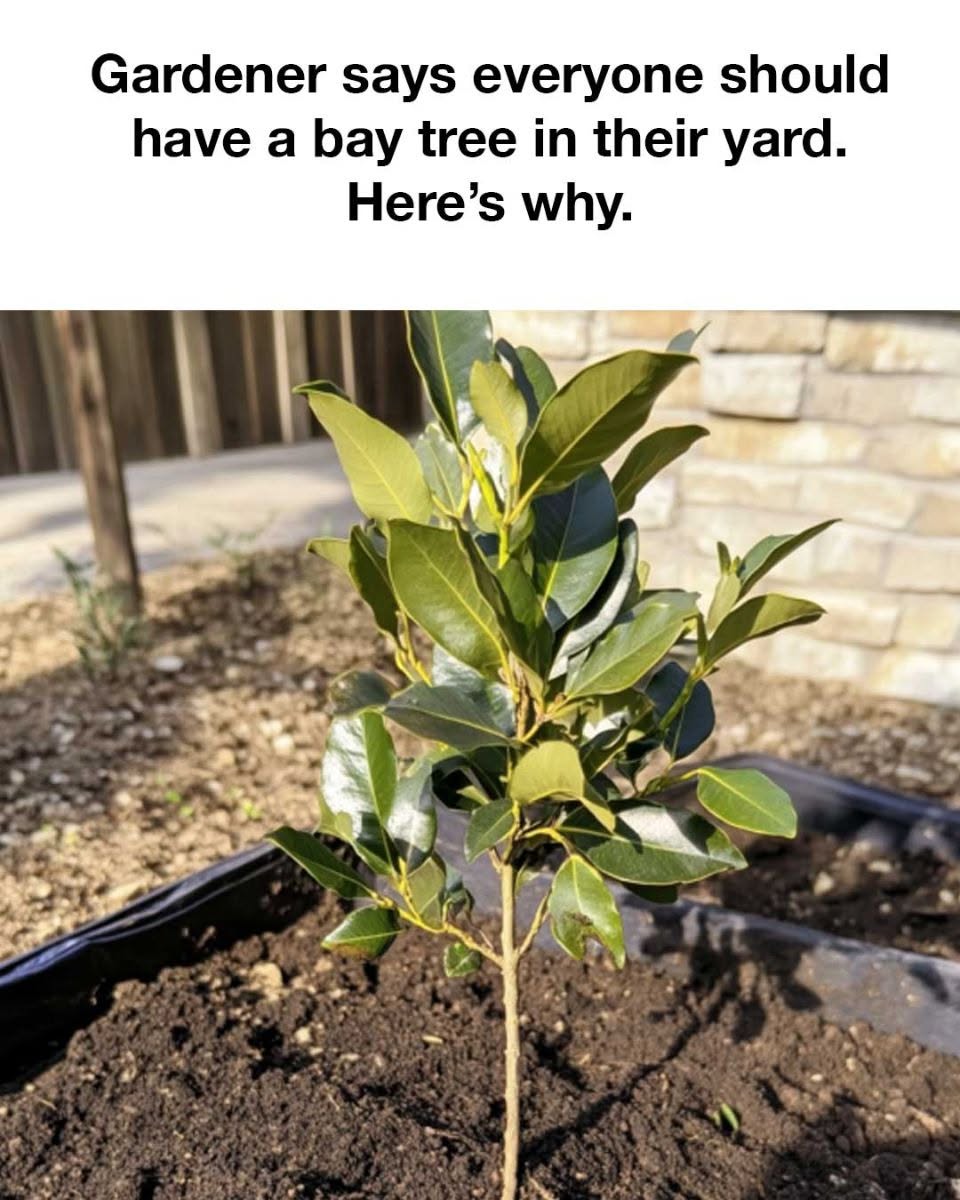
A bay tree, known scientifically as Laurus nobilis, is more than just an elegant, aromatic addition to your garden. Bay trees offer numerous benefits, both aesthetically and practically. Not only do they provide a lush, green accent to your backyard, but they also supply an endless source of bay leaves, an indispensable ingredient in many culinary dishes. For gardeners and home cooks alike, bay trees are a gift that keeps on giving. In this article, we’ll explore why a bay tree should be a staple in every backyard and how you can use its leaves to enhance your cooking and well-being.
Understanding the Bay Tree: A Brief Overview
The bay tree, or bay laurel, is a hardy evergreen shrub native to the Mediterranean region. It can be grown as a tree or a shrub and is known for its glossy, dark green leaves, which emit a strong, pleasant aroma. Bay trees are slow-growing and can reach heights of up to 30 feet, although they can be pruned to remain much smaller. They are relatively low-maintenance, drought-tolerant, and can thrive in a variety of soil types, making them an excellent choice for home gardeners.
The Culinary Uses of Bay Leaves in Everyday Cooking
Bay leaves are a staple in kitchens around the world, prized for their ability to enhance the flavors of soups, stews, sauces, and braises. The leaves release their flavor slowly, making them perfect for long-cooking dishes. Whether you’re crafting a classic French bouquet garni or adding depth to an Italian ragu, a bay leaf is often the secret ingredient. To use, simply add whole leaves to your dish during cooking and remember to remove them before serving. The subtle, earthy flavor of bay leaves can transform your everyday meals into gourmet experiences.
Health Benefits Associated with Bay Leaves
Bay leaves are not only culinary treasures but also offer various health benefits. They are rich in vitamins A, C, and B6, as well as minerals such as iron and manganese. Bay leaves also have anti-inflammatory, antifungal, and antibacterial properties, making them a natural choice for boosting immunity and supporting overall health. They have been used in traditional medicine to alleviate digestive issues, reduce stress, and improve heart health. Incorporating bay leaves into your diet can be a simple yet effective way to enhance your wellness.
Growing and Caring for Your Bay Tree: A Step-by-Step Guide
Starting your bay tree journey begins with choosing the right spot in your garden. Bay trees prefer a sunny or partially shaded location with well-drained soil. Plant young bay trees in the spring and water them regularly during their first year to establish a strong root system. Once established, bay trees require minimal water and can tolerate dry conditions. Prune your tree annually to maintain its shape and size, and mulch around the base to retain moisture and prevent weeds. With proper care, your bay tree will thrive and provide fragrant leaves for years to come.
Harvesting Bay Leaves: When and How to Do It Properly
see continuation on next page
For Complete Cooking STEPS Please Head On Over To Next Page Or Open button (>)

How To Put A Delicious Spin On Grilled Cheese – 10 Mouthwatering Twists on a Classic

Decadent Pecan Cream Pie

The trick to cleaning the oven ‘effortlessly’. Even the burnt-on grease disappears

Mix detergent with salt & get this incredible result. Here’s how it works

Who knew?